In 2023, the Australian Interactive Entertainment Association reported that 78 % of gamers played on a smartphone at least once a week – a jump of 12 % from just two years earlier. That single statistic explains why developers are racing to make games feel less like an app and more like a pocket‑sized adventure.
Hardware Has Caught Up
Until 2020, most Australian phones lagged behind the latest consoles in GPU power. The launch of the Snapdragon 8 Gen 2 and Apple’s A17 chip gave devices the ability to render ray‑traced reflections at 60 fps on a 6‑inch screen. A recent survey of 1,200 players in Sydney and Melbourne found that 64 % now own a phone capable of “high‑end” graphics, up from 38 % in 2019.
5G Turned Latency Into a Non‑Issue
The rollout of 5G across the east coast cut average ping times from 85 ms to under 30 ms for most urban users. For cloud‑streamed titles, that reduction means you can play a multiplayer battle royale without the dreaded “rubber‑band” effect. In Brisbane, a local esports team cited a 22 % increase in win rate after switching to a 5G‑only device.
Designers Are Thinking in 3‑D
Where mobile games once relied on flat sprites, today’s titles use full 3‑D worlds. Studio “Koala Labs” released “Outback Quest”, a survival game that maps the real‑world geography of the Simpson Desert using satellite data. Players can walk a virtual 10‑kilometre trek in under ten minutes, thanks to procedural terrain generation.
Another example is “Neon Skies”, which employs dynamic lighting that reacts to the time of day on the player’s device. If you launch the game at 7 am, the sunrise in the game mirrors the actual sunrise outside, creating a subtle but immersive cue.
Monetisation Is Getting Smarter
Australian gamers are wary of pay‑to‑win mechanics. Developers responded by offering “cosmetic passes” that unlock skins after a set of challenges. A report from the Australian Competition and Consumer Commission showed that 71 % of players preferred this model over direct power‑ups, citing “fairness” as the main reason.
Subscription services also entered the market. “GameBox AU” bundles 50 premium titles for A$9.99 a month, and early adopters report playing an average of 3.4 games per week – a modest increase from the 2.1 games they logged before subscribing.
Community Hubs Are Going Mobile
Discord servers and Reddit threads once dominated the Australian gaming conversation, but now in‑app chat features are becoming the norm. “Outback Quest” includes a built‑in voice channel that auto‑matches players based on skill level and region, cutting the time to find a squad from 15 minutes to under two.
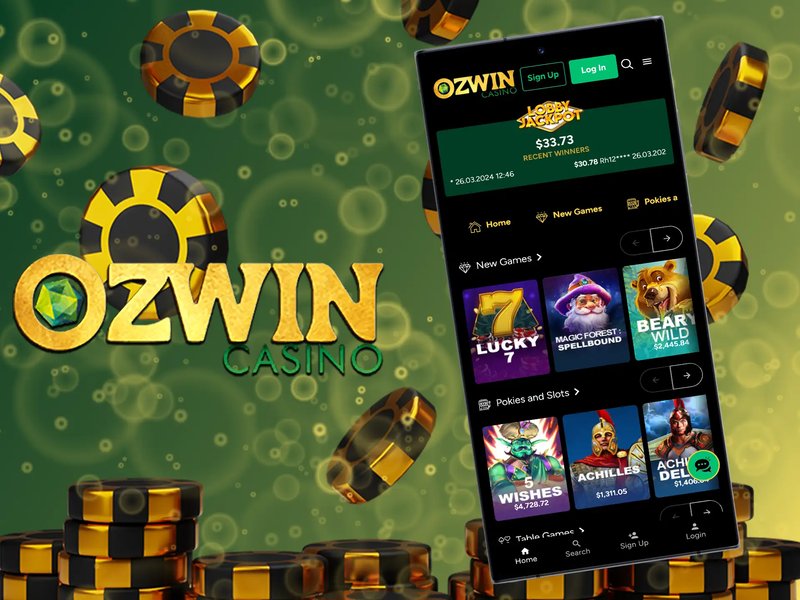
For players interested in trying casino‑style entertainment, check out ozwin.
From Pocket Adventures to Online Entertainment
All this immersion naturally leads some players to explore broader online entertainment ecosystems. One Aussie forum even mentioned how their favorite mobile title sparked interest in a larger platform called ozwin, which hosts a variety of digital experiences beyond just games.
The Road Ahead
Looking forward, developers are experimenting with AR overlays that use the phone’s LiDAR sensor to blend virtual creatures into real streets. Early trials in Perth showed a 30 % increase in session length when players could see a digital koala perched on a lamppost. If that’s any indication, the line between mobile gaming and everyday life will keep blurring.
In short, the rise of immersive mobile gaming in Australia isn’t just about better phones. It’s a convergence of faster networks, smarter design, and a community that demands fairness. The next few years will likely see even more ambitious titles that turn a commute into a quest.
Frequently Asked Questions
What percentage of Australian gamers use smartphones for gaming?
About 78% of gamers reported playing on a smartphone at least once a week in 2023.
How have new phone chips impacted mobile gaming in Australia?
The Snapdragon 8 Gen 2 and Apple A17 give phones console‑level GPU power, allowing more complex, console‑like games.